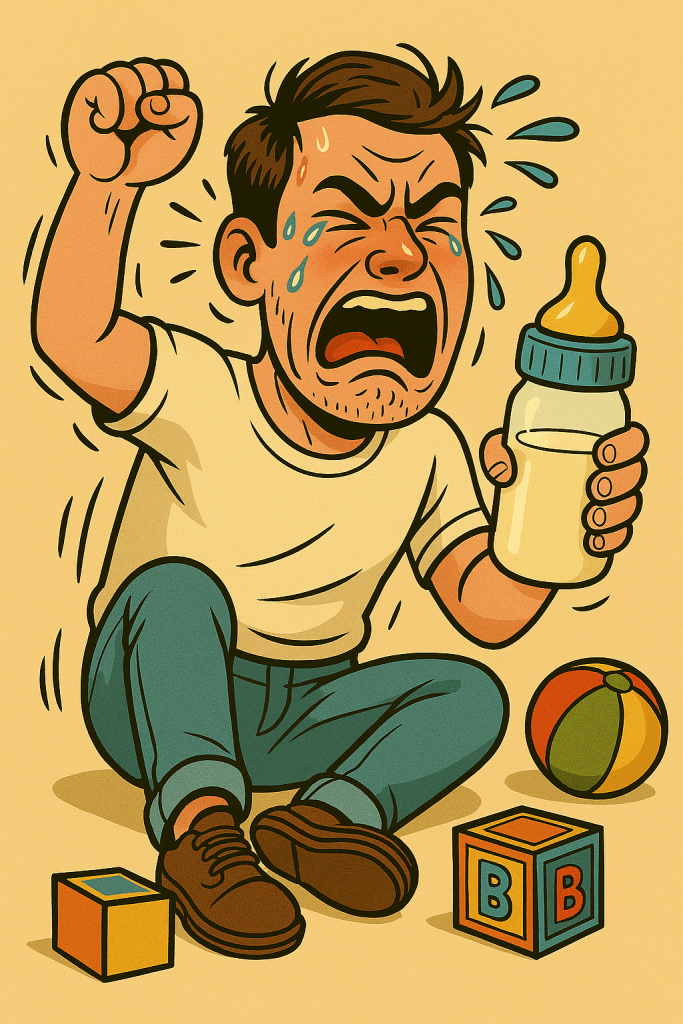
Let’s be clear: being offended is not a virtue. It doesn’t mean you’re morally superior. It doesn’t mean you’re right. It means you felt something—and that’s fine—but feelings don’t equal facts, and emotions don’t give you authority.
The Rise of Fragility as a Weapon
In today’s culture, offense is a currency. People cash in on hurt feelings like it’s a winning lottery ticket. Say something blunt? Offensive. Quote a statistic? Offensive. Ask a hard question? You guessed it—offensive.
And once someone throws the “offended” card on the table, it’s supposed to stop the conversation. That’s the play. Not to engage, but to silence. To control.
But here’s the truth: if your argument crumbles under disagreement, maybe it wasn’t that strong to begin with.
Sensitivity Isn’t Strength
We’re told sensitivity is a virtue. That the most fragile among us deserve the most power. That those who cry the loudest deserve the floor.
But strength isn’t about melting at every harsh word. Strength is knowing who you are, standing your ground, and letting petty insults roll off like water on wax.
The Founders weren’t sensitive. They were men who got insulted, ridiculed, and threatened—and still went to war for what they believed. They weren’t crying about microaggressions. They were building something that would last.
You don’t build a nation—or a backbone—by catering to the perpetually offended.
The Free Speech Double Standard
Watch how it plays out: “free speech” is sacred when it’s used to mock faith, tear down tradition, or push the latest progressive crusade. But the moment a conservative says something blunt, biblical, or unapproved? Canceled. Labeled. Silenced.
We didn’t sign up for a world where speech needs a permission slip. Being offended doesn’t give you the right to shut someone down. It gives you a choice: argue back or walk away. What it doesn’t give you is control.
Offense Is Inevitable. Accountability Is Optional.
Let’s face it—everyone is offended by something. But the difference is how you deal with it. Do you cry foul and call for heads to roll? Or do you challenge it, debate it, and move on?
You can’t outlaw discomfort. You can’t legislate hurt feelings. But you can build resilience. You can teach your kids to think critically instead of emotionally. That used to be common sense. Now it’s counterculture.
Truth Doesn’t Care About Your Feelings
Reality is cold. It doesn’t bend to emotion. It doesn’t pause for your trauma. And the truth? The real, unfiltered, hard-edged truth? It’ll offend everybody eventually.
And that’s good.
Because truth that never offends is truth that never challenges. And unchallenged lies become the culture’s foundation.
We live in a time where being right matters less than being nice. But niceness isn’t what built the world. Conviction did. Courage did. Uncomfortable, stubborn, offensive truth did.
Final Word
So the next time someone tells you they’re offended, nod politely and ask: “So what?”
Their feelings don’t override your facts. Their offense doesn’t cancel your point. And their sensitivity doesn’t put them in charge.
This country was built by people who risked offense to speak truth. It won’t survive if we hand it over to those who cry every time someone does.
Offended? That’s your problem. Not mine.
Call to Action:
Stop apologizing for telling the truth. Stop letting hurt feelings rewrite reality. This country needs more conviction, not more coddling.
Stand firm. Speak plainly. And never trade truth for approval.
If you’re tired of walking on eggshells, you’re not alone—you’re the resistance.
Be bold. Be clear. Be unoffendable.

 Past The Static