Sold by Their Own: The Part of the Slave Trade No One Wants to Discuss
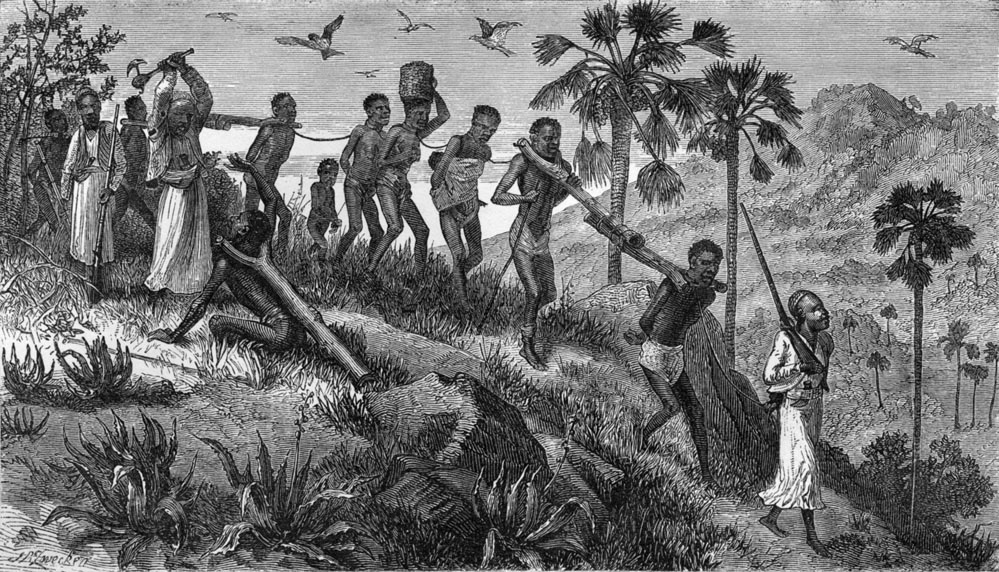
The word “reparations” gets tossed around a lot these days. It’s become political currency—used by candidates chasing votes, activists scoring soundbites, and influencers generating rage-clicks. But if we’re going to seriously talk about reparations for slavery in America, we need to talk about something the loudest voices in the room conveniently ignore:
Slavery didn’t start on American soil. And white Americans weren’t the only ones responsible.
If we’re going to assign guilt, write checks, and rewrite policy in the name of historical justice, then let’s demand the full truth—not just the edited-for-activism version.
The Hypocrisy of a One-Way Blame Game
Here’s the narrative we’re sold: White Americans built a system of oppression through slavery, and Black Americans—regardless of lineage, income, or origin—are owed compensation by today’s taxpayers. That’s the story pushed in major media, academic circles, and even in some local and state governments.
But there are a few glaring problems with that version of history.
For one: Africa wasn’t a victim-only continent. Long before Europeans arrived, slavery was already an institution within Africa. Tribes and kingdoms didn’t just tolerate it—they profited from it. They captured and sold other Africans—often from rival tribes—into the transatlantic slave trade.
The Ashanti, Dahomey, and Oyo kingdoms, among others, ran full-scale economies around capturing and selling slaves to Portuguese, Dutch, British, and eventually American traders. These weren’t passive bystanders—they were the suppliers.
If you’re demanding reparations from the buyer, shouldn’t you also demand it from the seller?
Who Owes Whom?
Let’s break it down logically.
If the theory is that descendants of slaveholders owe money to descendants of slaves, then shouldn’t that include all who were involved in the transaction?
- African nations whose economies were built on slave trading.
- Arab empires that trafficked in African slaves centuries before Europeans did.
- Black American families who can trace their ancestry back to African slave-trading tribes.
Yes, that last one stings—but if the logic is “guilt travels through blood,” then guilt doesn’t discriminate. You can’t say a white rancher in Wyoming owes reparations for something his family never took part in, while ignoring African empires that actively participated for centuries.
That’s not justice. That’s political theater.
Let’s Talk About Cost
The U.S. fought a civil war that cost over 600,000 lives—ending slavery at the cost of national bloodshed. That war broke the back of slavery in America. You could argue that was the first and most painful “reparation” this nation paid.
And since then?
- Affirmative action
- Race-based hiring and college admissions
- Billions in targeted federal and local programs
- Generational welfare systems
- DEI initiatives embedded into government and corporate policies
If none of that counts, then what does? If reparations mean an unending tab that current generations—many of whom are the children of immigrants—must keep paying forever, then it’s not justice you’re seeking. It’s vengeance.
What Accountability Really Looks Like
I’m not arguing slavery wasn’t evil. It was. Every person with a conscience acknowledges that.
But true accountability means looking at the entire picture. Not just pointing fingers at modern-day Americans who had nothing to do with slavery while ignoring the African elites who started the trade.
If reparations are about responsibility and justice, then justice demands consistency. Start with Africa’s role. Call out the kingdoms that enslaved their neighbors and got rich off it.
Ask why no one is demanding Ghana, Benin, or Nigeria pay reparations alongside the U.S. If the pain is real, then the blame should be complete.
Final Thought, Without The Noise
If your argument for reparations ignores who sold the slaves, then it’s not an argument—it’s a hustle.
History isn’t here to make us feel good. It’s here to remind us where we come from and how not to repeat our worst instincts.
You want reparations? Fine. But let’s talk honestly. Let’s talk globally. And let’s stop pretending this is a one-way street.
Signal over noise. Always.
Call to Action
If you’re tired of rage-bait history lessons and selective outrage, share this post. Email it. Talk about it at your dinner table. Demand history—not ideology—from your schools, your media, and your elected officials.
Truth doesn’t need a marketing campaign. It just needs enough people willing to say it out loud.
Sources
- The Atlantic – The Truth About the Origins of Slavery in Africa
- Smithsonian – African Kingdoms and the Slave Trade
- NPR – Ghana Acknowledges Role in Slave Trade
- Brookings – The Legacy of the War on Poverty
- Cato Institute – Reparations and the Logic of Justice
Comments are open below. Keep it civil or keep it moving.

 Past The Static