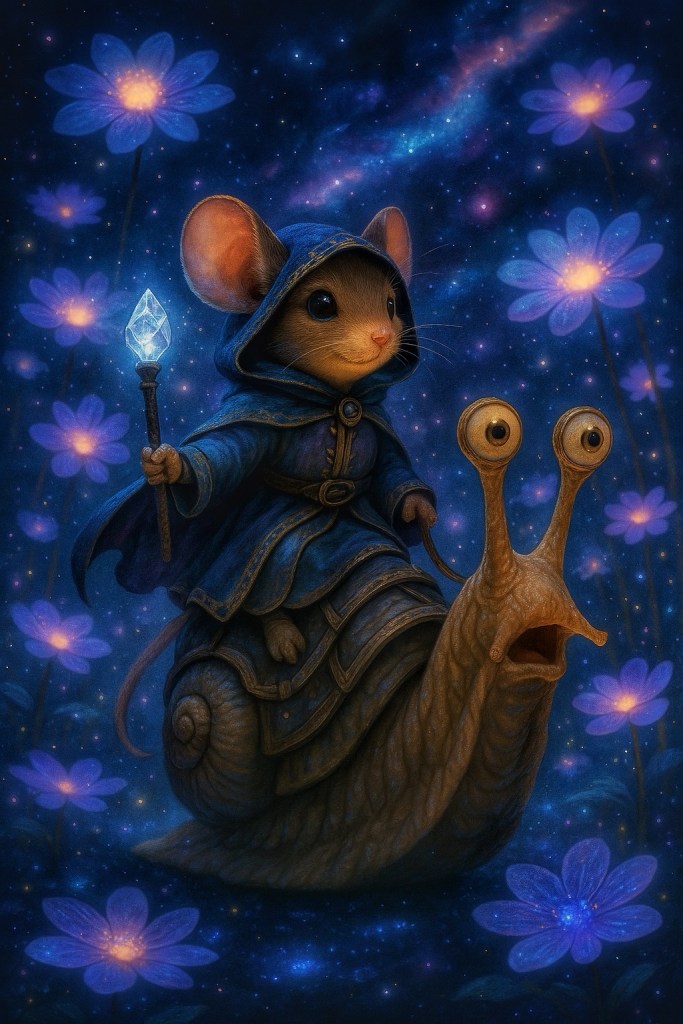
Let’s get one thing straight: AI image generation is not theft. It’s creation through a new set of tools. Just like digital cameras didn’t kill painting, AI won’t kill human art. But it will change how we define creativity—and that’s not a bad thing.
Training Is Not Copying
AI models don’t “steal” images. They’re trained on patterns, not exact pictures. The same way a human artist looks at thousands of images for inspiration, an AI model looks at pixel data to learn how to generate something new. It’s not pasting. It’s generating from noise, structure, and probability.
That’s not plagiarism. That’s process.
Human Input Still Matters
Every AI image starts with a person. The prompt, the model, the parameters, the edits—it’s not push-button magic. It’s creative decision-making. Some of the best AI artists out there are better described as digital directors. They know how to steer the machine.
AI art still requires vision. It’s just a different kind of brush.
Ethics ≠ Gatekeeping
There’s a loud camp saying AI art is unethical by default. Most of that comes from fear, not fact. Fear of job loss, fear of being replaced, fear of the unknown. That’s understandable—but it doesn’t make AI unethical.
Ethics depend on how you use the tool. Lying about authorship? Unethical. Using AI for deepfakes or misinformation? Unethical. Creating original work using AI and being transparent about it? Perfectly ethical.
Art Isn’t a Protected Class
Here’s a hard truth: no one owns a style. No one owns the concept of “oil painting,” “anime,” or “fantasy realism.” Styles evolve by influence. Every human artist you admire learned by observing others. AI just does the same thing, faster.
If we banned tools because they replicated style, we’d ban Photoshop, cameras, and digital brushes too.
The Democratization of Art
AI is doing something traditional art gatekeepers don’t like—it’s making creation accessible. People who never had the time, talent, or training can now make compelling images. That upsets the hierarchy, and some professionals see it as a threat.
But art has always evolved when it became more accessible. That’s not theft. That’s progress.
Final Signal
AI art is here. The ethics aren’t black and white—but calling it theft by default is lazy thinking. What matters is transparency, intent, and responsible use. If you’re using AI to explore, create, and share—own it. Be proud of it.
You’re not replacing artists. You’re expanding what art can be.


